










What Hidden Roof Problems Should Homeowners Watch for Before Storm Season?
Storm season on the Alabama coast starts fast. Before summer squalls and onshore winds arrive, many Gulf Shores roofs already have small issues that can turn into leaks. If you want a simple, low‑stress way to be ready, schedule a roof inspection with a trusted local pro and tackle the right fixes ahead of time.
Why Gulf Shores Roofs Hide Problems Before Storm Season
Coastal weather works on a roof day after day. Salt air speeds corrosion on metal parts. Gusty south winds test the edges. Intense sun cooks shingles on west and south slopes. In areas like West Beach, Little Lagoon, and along Fort Morgan Road, open exposure and blowing sand can wear down surfaces quicker than you think.
On a dry afternoon your roof may look fine from the street. The truth is many trouble spots hide at edges and transitions where water likes to sneak in. That is why thorough, photo‑backed inspections help homeowners spot risk before the first named storm shows up on the news.
Hidden Roof Problems Most Homeowners Miss
- Lifted starter rows and weak edge sealant that invite wind to get under shingles.
- Hairline cracks in pipe boots, skylight gaskets, or sealant around vents that only leak in wind‑driven rain.
- Rusting or pieced‑together flashing at chimneys, sidewalls, and valleys that can split under stress.
- Loose ridge caps where fasteners have backed out, letting gusts peel at the highest point of your roof.
- Underlayment wrinkles and soft roof deck spots that are invisible from the yard but show up in the attic.
These are small on a clear day. During a squall, they can turn into stains on ceilings or damp insulation. Catching them early is the goal.
Where Coastal Weather Makes Trouble
Wind hits first at eaves and rakes. If edges are not sealed and nailed right, uplift starts there. Salt air near the beach works on fasteners and flashing, especially around metal roofs and wall transitions. Homes near canals or open water in Craft Farms and Waterway Village often see more debris on roofs after storms. That debris traps moisture at valleys and low spots until it dries.
Hurricane season runs June through November most years, so the smartest window for careful checking is late spring. That leaves time for repairs under calm skies.
Roof Leak Warning Signs You Can Spot From the Ground
- Shingle corners that are lifted or curling on sunny slopes.
- Granules piling up at downspouts after a windy rain.
- Rust streaks at flashing or stains under soffits after storms.
- Ridge lines that look uneven or capped pieces that seem shifted.
If you see one or more of these, note the location. Then ask a pro to confirm what is happening up close.
What A Professional Inspection Checks
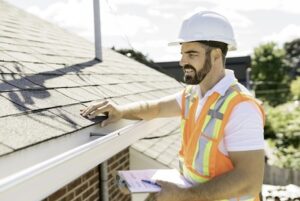
A quality inspection covers the whole system, not just the shingle surface. The roofer will check starter strips, nail patterns, and seal strips at edges. They will examine flashing at chimneys, skylights, and sidewalls, plus valleys and ridge caps. In the attic they look for dark stains, soft decking, or daylight at seams. Good airflow matters too. Balanced intake and exhaust help shingles and underlayment survive summer heat and humidity.
You can read a step‑by‑step pre‑season process in our hurricane‑season roof checklist. For a quick overview of our approach, visit our home page and learn what sets our gulf shores roof inspections apart for coastal homes.
Hidden Issues By Roof Material
Architectural shingles handle wind better than three‑tab, but both depend on solid edge securement. On metal roofs, expect to check exposed fasteners, panel laps, and sealant beads. On low‑slope sections, scuppers and drains need to be clear and firmly attached. In all cases, flashing details decide how your roof handles wind‑driven rain that pushes uphill against walls and chimneys.
Attic Clues That Point To Trouble
Many leaks start small and leave quiet signs. Look for faint coffee‑colored rings on the roof deck, rusty nail tips, or damp insulation near penetrations. If you see daylight at seams or smell a musty odor after rain, there is a path for water or warm, moist air. That mix can weaken adhesives and shorten roof life.
When To Repair Versus Monitor
Not every finding means replacement. A cracked boot or loose ridge cap is often a targeted fix. Widespread edge uplift, brittle seal strips, or soft decking are red flags that call for a bigger plan. If your report lists a handful of small items, your roofer may group them into a simple punch list. If the roof is older and issues show up across several slopes, ask about a phased path. When action is smart, it is best to book timely roof repairs before calendars fill after the first big storm.
Why Gulf Shores Roof Inspections Matter Before Storm Season
Edge securement, sealed penetrations, and sound ventilation are the quiet heroes of storm performance. A careful inspection builds a photo baseline so you can compare after any event. It also gives you a simple list of priorities to handle now, not during a rain band when appointments get scarce. The peace of mind is real, and it often prevents interior damage that costs far more than a visit from a pro.
Simple Plan For The Weeks Ahead
Set a date for a documented checkup. Ask for photos of the whole roof and close‑ups of anything the tech flags. Keep the summary with your home records. If you live near open water or in a windy pocket, plan a mid‑season follow‑up after a strong system passes. When your roof earns a clean bill of health, you will know your home is buttoned up for summer.
Be Storm‑Ready With Amerson Roofing, Inc
Want straight answers and clear photos before the season ramps up? Our team inspects the details that matter for coastal Alabama homes and explains what to fix, what to watch, and why. Start the easy way and book a professional roof inspection today. Or call us at 251-280-4012 and we will set a time that works for you.
More Tips on Roof Inspection